Asia Post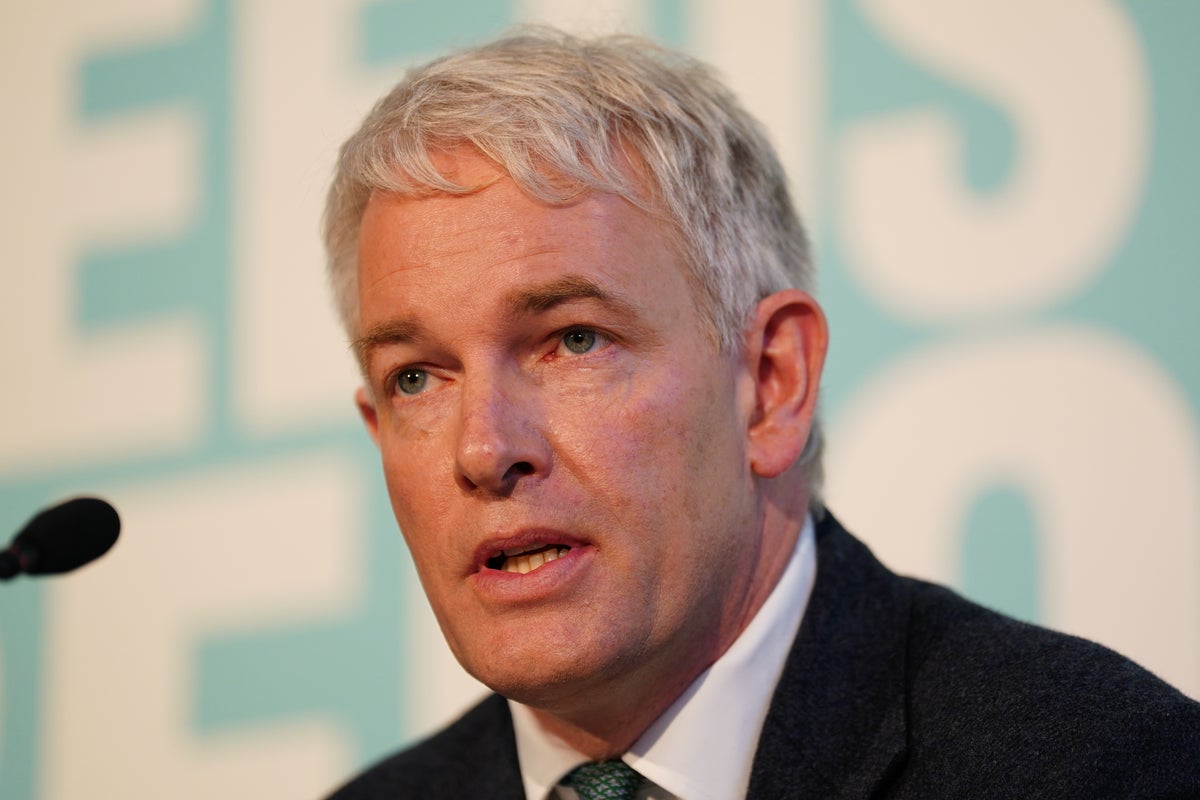
Reform MP Danny Kruger has condemned his colleague Robert Jenrick ’s programme of delivering free food boxes to shielding households during the Covid-19 pandemic , describing them as "revolting" and "unhealthy." Speaking on a panel at Reform’s annual conference last week, former Tory MP Mr Kruger – who has been tasked with overseeing his party’s preparations for government – argued that food boxes “should have been organised locally” rather than being introduced by the government. The policy of delivering free food boxes to vulnerable residents shielding from the virus was announced on 29 March 2020 by the then-secretary of state for housing, communities and local government, Mr Jenrick - who has since defected to Reform UK alongside Mr Kruger and is the party’s Treasury spokesperson. At the time, the MP for Newark described the programme as "an incredible achievement," saying ”he could not be prouder" after more than a million parcels were delivered in the first six weeks of the national lockdown.
Danny Kruger defected to Reform from the Conservatives (PA Archive) Mr Kruger and Mr Jenrick were both Conservative MPs during the pandemic who have subsequently joined Reform UK. At the same event, which was hosted by free market think-tank the Adam Smith Institute on the fringes of the Reform conference, Mr Kruger described the Conservative government’s pandemic response as “rubbish,” and claimed that the government had “quickly started expanding its own role and taking responsibilities that should have been delivered by the community,” citing the food boxes as an example. The government distributed five million food parcels to 450,000 vulnerable people during the first lockdown.
Speaking about the scheme, Mr Kruger told Reform’s conference: "The tragedy of Covid was there was a moment in which the government basically said to communities, ‘please can you step forward and help’ in that first lockdown. "But once the government sort of found its feet again, it quickly started expanding its own role and taking responsibilities that should have been delivered by the community. "I mean, the simplest, best example of that is the food for the shielding families, do you remember, the shielding households, elderly people mostly.
That could've been organised locally and sort of organically by neighbourhoods. Food boxes were delivered to vulnerable poeple who were shielding (Getty Images/iStockphoto) “In fact, the government set up a national sort of food distribution centre using, you know, a couple of mega PLC food service companies shipping revolting, you know, unhealthy food across the country to people... inefficiently. Disempowering, unhealthy.
"So absolutely, the opportunity was there to trust the people and they didn't take it.” In 2020, announcing that more than 1 million food parcels had been delivered, Mr Jenrick said: “This week, another significant milestone has been achieved with one million food packages delivered to those most at risk from the virus. This is an incredible achievement from this government programme’s standing start of at the end of March. “I could not be prouder and I want to thank everyone involved, from the food box delivery drivers, to volunteers and council officials ensuring local support networks meet the needs of their communities – together, our continued and astonishing effort will provide the support that those most at risk need, for as long as they need it.” Mr Kruger has previously praised the “community spirit we saw in lockdown” and authored a report in the wake of the pandemic entitled ‘Levelling Up Our Communities: Proposals for a New Social Covenant’.
At the time of the report’s publication he argued that Covid-19 has both “exacerbated our social & economic injustices “ and “exposed the enormous strength of our communities”. “In a nutshell, we need a new era of community power to replace the era of large public & private bureaucracies”, he said.
Source: The Independent